Flax and technology: how the oldest fabric is becoming the composite of the future

Energoefektivitātes pasākumu īstenošana SIA “Baltiks EAST”- energoefektivitātes veicināšana ražotnē
01/02/2022
Why is flax the greener choice for the planet’s future?
19/10/2026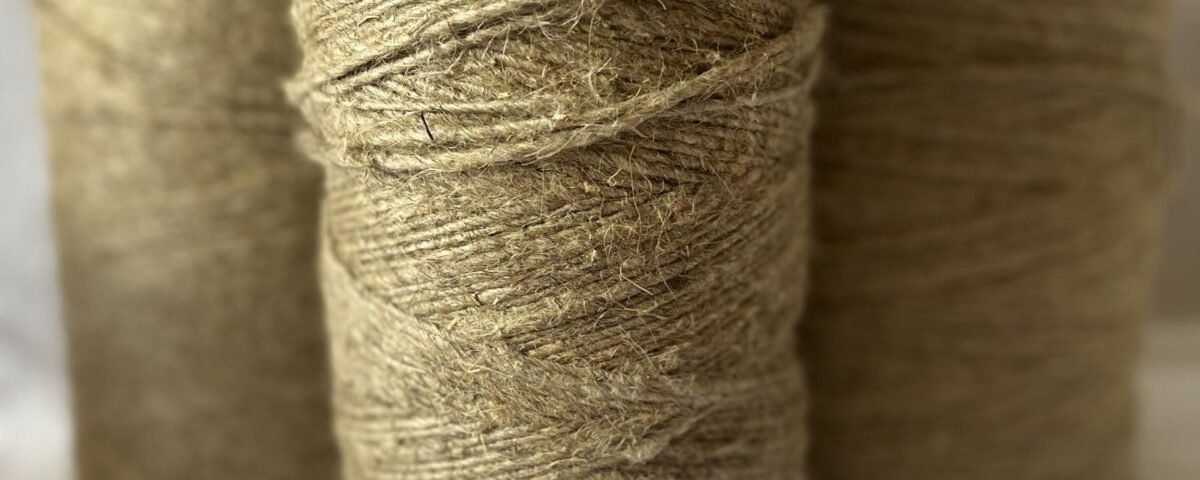
When we think of linen, summer clothes or tablecloths woven by our ancestors usually come to mind first. Yet in modern engineering and manufacturing, flax is going through a real revolution, becoming one of the most sought-after natural composite materials.
Lighter and stiffer than glass fibre
The structure of flax fibre provides exceptionally high resistance to tension and deformation while keeping weight low. That is why flax bio-composites are increasingly replacing synthetic glass fibre and carbon fibre:
- Automotive industry: premium car manufacturers use flax fibre in interior trim panels, door structures and seat bases to reduce vehicle weight and CO₂ footprint.
- Sports equipment: high-end surfboards, skis, tennis rackets and bicycle frames are now made from flax composites. Flax is excellent at absorbing vibrations.
Construction and technical twine
Short flax fibres and processing by-products have found a firm place in eco-friendly construction:
- Thermal insulation: flax tow and insulation boards regulate humidity in buildings very well and create a natural indoor climate.
- Technical ropes and twine: flax ropes and twine are UV-resistant, do not stretch and do not build up static charge, making them indispensable in packaging, agriculture and shipping.