Why is flax the greener choice for the planet’s future?

Flax and technology: how the oldest fabric is becoming the composite of the future
19/10/2026
Why choose linen for your bedroom and home?
19/10/2026
Agencies and environmental experts around the world agree: the textile industry urgently needs to reduce its environmental impact. In this context, the flax plant (Linum usitatissimum) has become a model of sustainable farming.
Saving water and chemicals
Unlike cotton, which requires thousands of litres of water and heavy use of pesticides to grow:
- Natural rainfall: in 99% of cases, flax grown in Europe needs nothing more than natural rainfall.
- Healthier soil: flax is resistant to pests, so almost no chemical crop protection is used when growing it. In addition, flax in crop rotation improves the soil structure for the crops that follow.
Zero-waste production
When the flax plant is processed, nothing goes to waste:
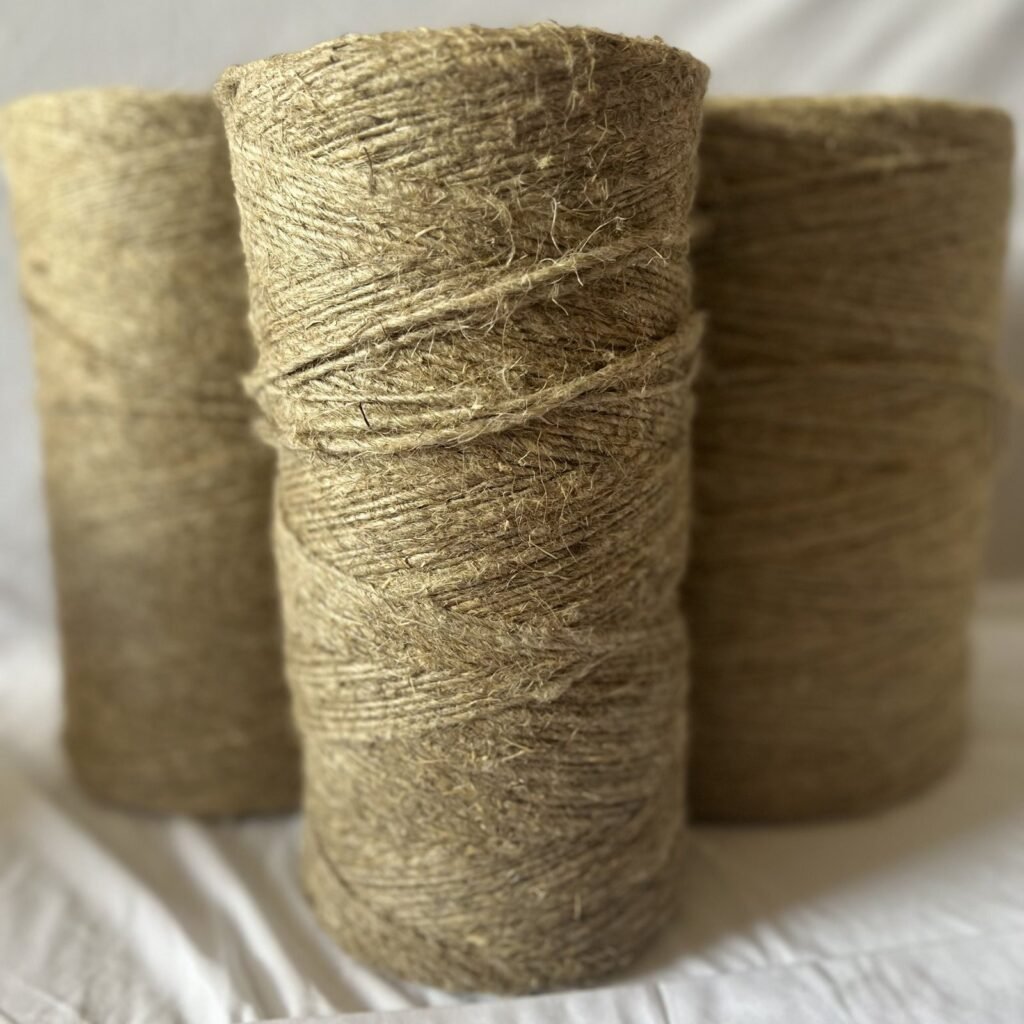
- long fibres are used for fine fabrics;
- short fibres for twine, paper and composites;
- seeds for edible oil and dietary supplements;
- shives and straw for fuel pellets or plasterboard substitutes.
By choosing pure linen products, we support a cycle of 100% biodegradable products that leave no microplastics in the environment at the end of their life.